Economics
At Earlham, we approach economics as a supremely social science that also uses rigorous analytical tools to understand economic institutions and life. We seek to help you put economic issues in a wider social, political and historical context by balancing the emphasis we place on the theoretical, empirical and real-world aspects of the study of economics.
We do this by introducing you to both the established and latest scholarship in different aspects of economics and to cultivate their ability to undertake research in their areas of interest. We do all this with the hope and expectation that our students will be well prepared for joyful and purposeful pursuits in the future!

Start your adventure
Sign up for more information about Earlham College.


Earlham economics alumni have completed graduate degrees in public policy at Duke, data sciences at UNC, as well as in economics at the University of Massachusetts at Amherst, among others. They have also landed good jobs doing research and analysis in the public and private sectors, in higher education, as well as many private-sector jobs from data analysis to finance to law.
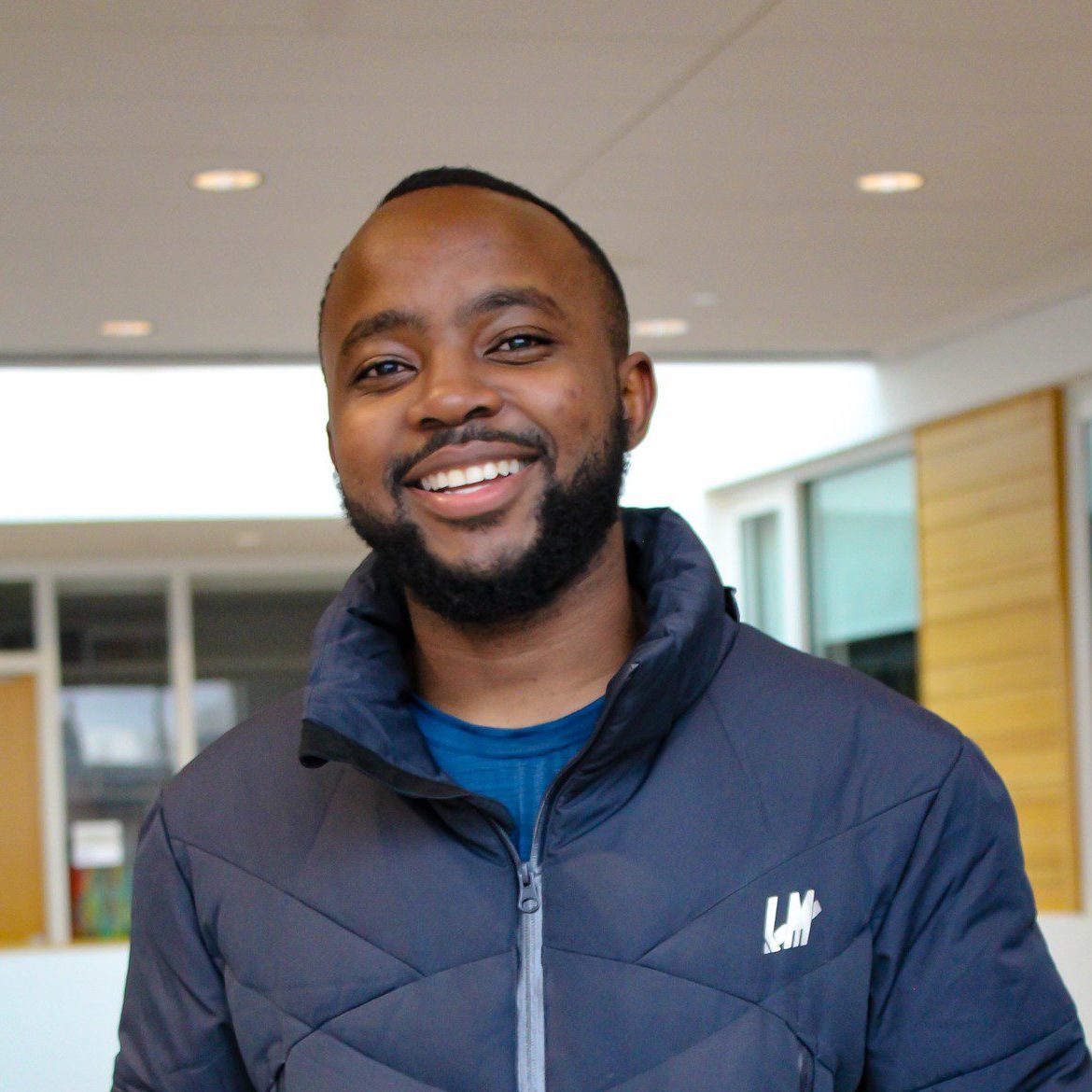
“Majoring in Economics gave me a strong set of qualitative and quantitative skills that gave me the necessary framework to find solutions to problems, using different ways of thinking. Ultimately, I want to use my skills to work in an analytics role in my home country of Zimbabwe.”
Trevor Marimbire ’22
Economics Major

“The economics major at Earlham prepared me extremely well for my graduate coursework in economics. At Earlham, my small classes routinely had lively debates and covered ideas from many different ideological standpoints. Compared to students who had come from larger universities, I had a far better grasp of the intuition of economic theory and was familiar with a much broader range of ideas.”
Marina Gorsuch, ’08
Assistant professor, economics and political science at St. Catherine University, St. Paul, Minnesota
Multiple perspectives, rigorous training and thoughtful analysis
Many of our students combine economics with other majors and join us in research and pursuing fellowship opportunities.

Fellowships and interdisciplinary work
Economics majors frequently combine economics with politics, data science, philosophy, global management and more. They have received wonderful fellowship awards, including a Rhodes Scholarship, Watson Fellowship, Carnegie Peace Fellowship and Davis Projects for Peace Award, among others.

Off-campus study
Along with faculty, economics students have participated in summer research and grant-funded projects on theoretical projects (“Dynamic Human Development Index Analysis and Website”) to site and community-based projects such as “Social Development and Women’s Empowerment in Mysuru India” and “Gentrification and Economic Development in Cincinnati.”

Our faculty
Our faculty is involved locally and beyond from studying Richmond’s Blight Elimination Program to collaborating on a Great Lakes Colleges Association collaborative project which tracks economics, socio-communal and foreign policy issues in India.
Frequently asked questions
At Earlham you can major in economics or choose the quantitative economics major. Both majors start with broad-based introductory courses and skill-building courses, then move into topical and applied upper-division courses that include research, writing, as well as analytical work.
The quantitative economics major meets the Department of Immigration Services standards as a STEM major and thus confers a three-year period of Optional Practical Training (OPT).
Common career paths for economics majors include financial analyst, investment analyst, business analyst, research associate and policy analyst.
Recent graduates have interned in a variety of industries, including banking, hospitality, higher education, consulting and business.
Successful economics majors are able to think analytically, reason quantitatively and recognize patterns. Economics is also teeming with theoretical concepts, so if you like intellectual adventures, you’ll have plenty as an economics major.