Philosophy
Up until the 19th century philosophy was the main discipline in academia.
With the specialization of knowledge and the development of particular branches of sciences, the social sciences and the humanities, philosophy developed into its own as well. However, philosophy remains the only discipline that has conceptual ties to all the other disciplines in academia, such as philosophy of science, philosophy of social science, philosophy of history, aesthetics (art) and philosophy of language. Philosophy questions the fundamental conceptual foundations and assumptions of all the disciplines: For example, from the field of biology, What is life? Sociology: What is society? History: How do we understand, record and interpret the past?
Therefore, studying philosophy not only teaches you how to think, critically analyze knowledge and question fundamental assumptions but also makes you understand the conceptual presuppositions of all other disciplines better.
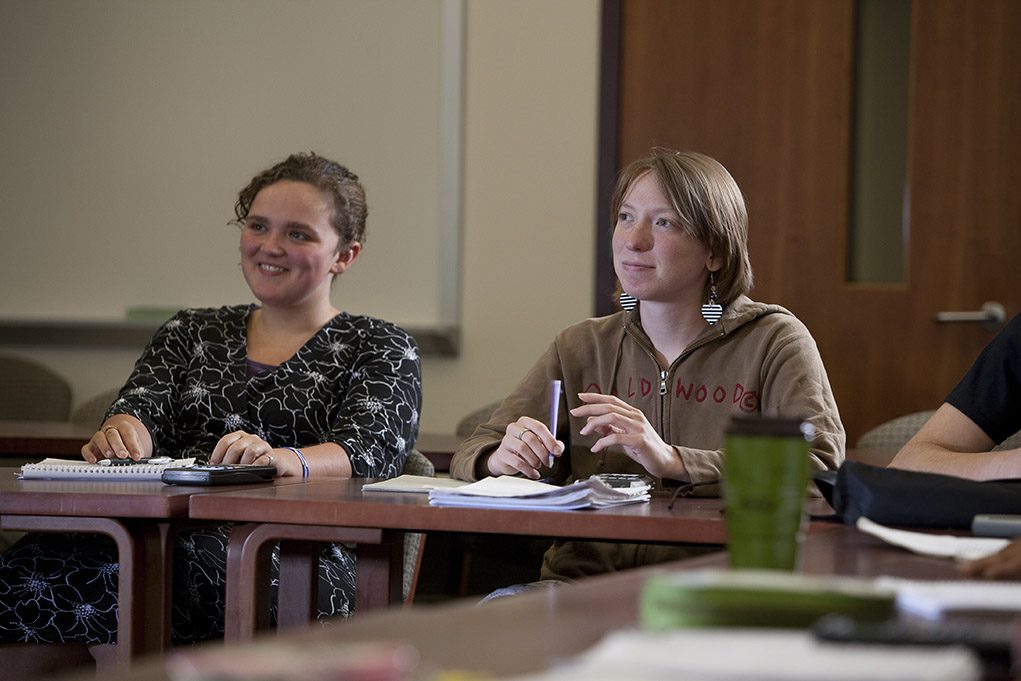
Our department always studies and evaluates philosophy within our concrete existence in the world. When we do not raise the foundational questions of life ourselves, we unconsciously live with the answers that are provided for us by those who exercise power over us. As an Earlham philosophy student, you will become aware of and question your own fundamental assumptions about life, work, value and relationships.
Start your adventure
Sign up for more information about Earlham College.


You’ll be prepared for a greater understanding across all disciplines, opening the door to a breadth of potential career paths in natural and social sciences, to name a couple. Many Earlham philosophy graduates go to law school or into seminary training, while others go into secondary school teaching.
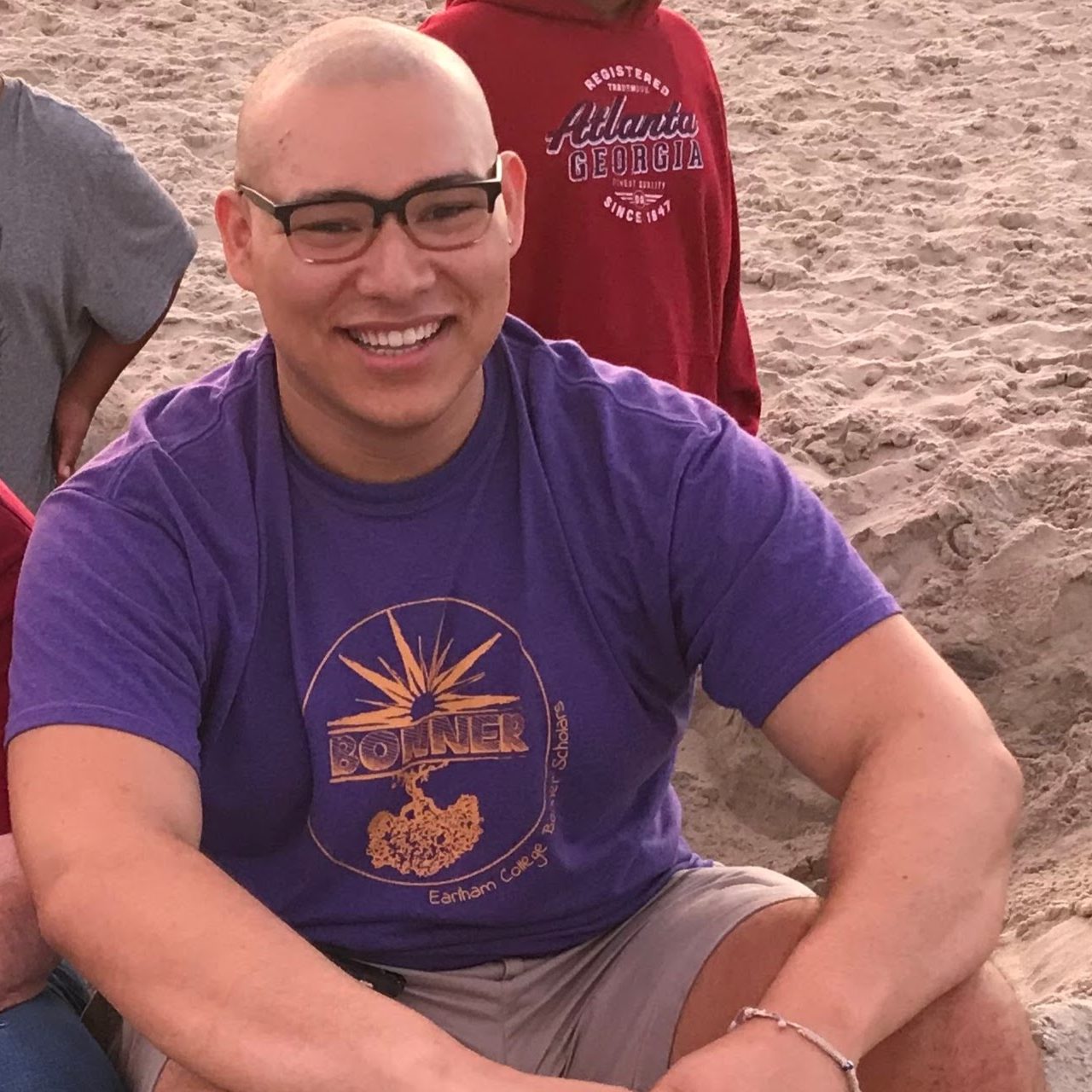
“Earlham’s philosophy program in specific has been instrumental to my development, with its own particular brand of continental philosophy. Through the process of completing my major requirements, I have been guided to have a breadth of study as well as a targeted area of speciality. This has culminated in both a personal and professional transformation that would not have been possible without my study of philosophy. Therefore I can say that philosophy has undoubtedly done something with me.”
Gabriel Schendler ’21
Philosophy major

“I came to Earlham to learn to be an actor, but stumbling into a philosophy classroom, I became a thinker. My education in philosophy at Earlham was life-changing; the turn of the millennium, and the aftermath of September 11th and the wars in Afghanistan and Iraq that followed, made the pursuit of truth an urgent daily activity. What I learned in my philosophy classrooms – a joy in curiosity and discovery, a sense of collaboration and equality before the text, and genuine care for the truth – prepared me for making sense of the world and set me down the path to becoming a professor myself. Now in my own classrooms in philosophy and in women’s and gender studies, I draw on the skills I learned in philosophy and the skills I learned on the stage to foster that same experience in my own students.”
Sina Kramer ’02
Pondering essential questions
Philosophy raises, responds to and studies the fundamental questions and concepts of life and existence. However, philosophy does not do this in an abstract fashion but always within a historical, political and economic context. How should/could we live? What are the constraints on human existence in contemporary society? Can we live a just life in an unjust society?
Valuable experience
Philosophy majors regularly present their scholarship at academic conferences or publish them in journals.
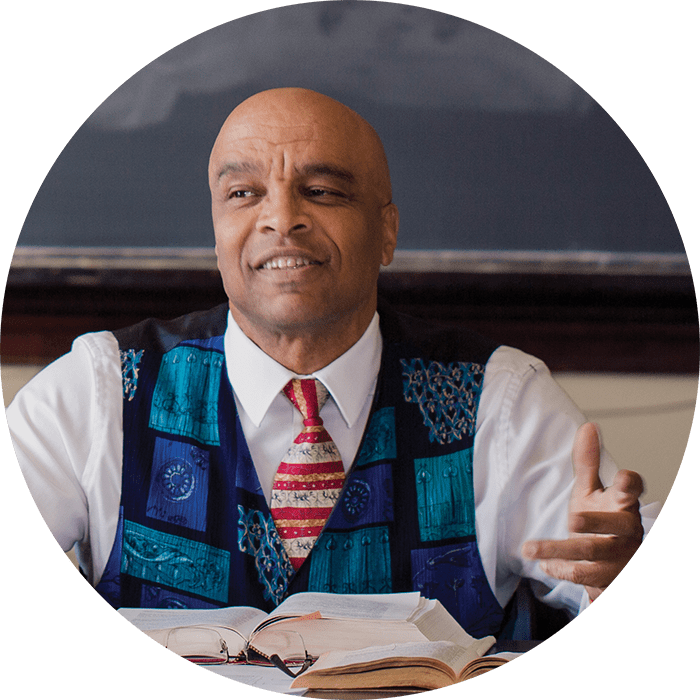
Our faculty
Our department is not a traditional one. We do not just emphasize philosophy as a professional discipline but as a way of being in the world. We meet with students regularly outside of the classroom setting and engage in discussions, take walks together in pursuit of creating a philosophical community.
Frequently asked questions
If our department has an orientation, it is toward the history of philosophy. Our program is respected by graduate schools for the mastery our graduates have shown in the history of philosophy.
As a philosophy student, you will be exposed to the history of Western philosophy as well as engaging in a critique of this potentially Eurocentric approach. You will study Ancient Philosophy, Modern Philosophy, 19th Century Philosophy and Contemporary Philosophy, which constitute the historical sequence. In addition, you will take a number of classes on Race and Racism, Feminist Philosophy, Postcolonial Theory, Film Theory and Aesthetics. While we teach the history of Western philosophy rigorously, we also provide the tools to critically engage with the Western tradition.
Yes! In fact, you’re encouraged to consider off-campus study. Learn more about available programs through the Earlham Center for Global and Career Education.
Philosophy calls on both your creativity and your rigor. If you’re passionate about exposing and questioning assumptions and finding your own answers and your own standards for answers, this program will be a good fit for you.